

Views: 0 Author: Site Editor Publish Time: 2026-05-20 Origin: Site


Few mechanical failures disrupt fleet operations faster than a slipping transmission. Whether you manage a logistics fleet, operate a commercial repair shop, or supply parts as a heavy-duty clutch wholesaler, downtime directly translates into lost revenue. Every minute a truck is off the road hurts the bottom line of your business and your clients.
Finding a "standard" price for this repair or replacement is highly variable in the heavy-duty commercial world. Costs vary wildly based on vehicle specifications and sourcing strategies. You might be sourcing parts for a European heavyweight like a Mercedes-Benz, Volvo, or Scania, or handling maintenance for domestic workhorses like Shacman. A one-size-fits-all quote simply does not exist for such highly specialized commercial applications.
We will provide a transparent breakdown of commercial parts, labor expectations, and maintenance variables. You will learn exactly what a comprehensive repair entails for heavy-duty fleets. This guide empowers repair shops, fleet managers, and parts distributors to evaluate costs confidently, optimize maintenance budgets, and secure durable, reliable fixes for commercial operations.
Total Cost Range: Commercial truck clutch replacements represent a significant investment. Sourcing premium aftermarket parts versus OEM dealership parts can dramatically impact the final cost-per-mile for fleets.
Labor vs. Parts Ratio: For heavy-duty rigs, dropping a massive commercial transmission requires specialized equipment and significant shop time, making labor a massive portion of the overall expense.
Comprehensive Replacement: A reliable commercial repair requires replacing the clutch plate, pressure plate, and release bearing simultaneously to prevent catastrophic fleet downtime later.
Strategic Sourcing: Wholesalers and repair shops can maximize margins and deliver better value to fleets by partnering with manufacturers that specialize in mainstream European models (MAN, Renault, Volvo) and global brands (Mack, Shacman).
Establishing realistic pricing parameters is crucial before quoting a repair or stocking up wholesale inventory. The total estimate separates into two main categories: heavy-duty physical materials and specialized labor hours. Understanding both protects fleets from inflated invoices and helps repair shops price competitively.
Heavy-duty clutch kits for brands like Scania, MAN, or Mercedes-Benz require massive torque ratings. Manufacturers design different friction materials for specific commercial applications. Repair shops and wholesalers must recommend the right compound for the fleet's specific operational demands.
Commercial Friction Material Comparison Chart | |||
Material Type | Cost Impact | Best Fleet Use Case | Engagement Characteristics |
|---|---|---|---|
Heavy-Duty Organic | Standard Baseline | Long-haul highway freight, standard logistics | Smooth and forgiving, driver-friendly |
Ceramic Button | Moderate Premium | Vocational trucks, heavy construction (Mack, Shacman) | Aggressive bite, high heat resistance |
Kevlar / Mixed | Highest Premium | Extreme overload conditions, mining operations | Exceptional durability, stiff pedal feel |
Organic discs suit standard long-haul highway logistics perfectly. Ceramic materials are essential for vocational trucks hauling heavy construction materials, as they grab aggressively to prevent slippage under strain. Choosing the right spec for a Volvo or Renault commercial vehicle is key to ensuring fleet longevity.
Commercial repair facilities bill jobs based on heavy-duty standardized labor guides. Dropping a transmission on a Class 8 or heavy European rig requires specialized hoists, heavy-duty transmission jacks, and expert technicians. Expect labor to take a full day or more depending on the configuration. Complex setups, such as trucks equipped with PTOs (Power Take-Offs) or specialized drivetrains, add hours to the labor estimate.
The specific brand and application of the heavy truck dictate component engineering and pricing. As a wholesaler or repair facility, understanding these categories is essential for inventory and service quoting.
European Mainstream Heavy Trucks (Mercedes-Benz, Volvo, Scania, MAN, Renault):
These vehicles are the backbone of global logistics. They frequently utilize automated manual transmissions (AMTs) or complex heavy-duty manual gearboxes. Replacement requires highly precise, OEM-equivalent aftermarket parts. The cost of clutch kits for these models reflects the advanced engineering required to handle massive European diesel torque efficiently. Fleets look for premium ISO-certified aftermarket parts to balance cost and quality.
American & Global Heavy-Duty (e.g., Mack):
Brands like Mack are heavily utilized in vocational, refuse, and construction sectors. These environments subject the clutch to severe stop-and-go strain and high payload stress. Repair shops must utilize heavy-duty ceramic or dual-disc setups. The focus here is on raw durability and heat dissipation.
Domestic & Emerging Market Heavy-Duty (e.g., Shacman):
Shacman and similar trucks are renowned for handling extreme overloads and rugged terrains. Wholesalers and fleet managers servicing these vehicles prioritize extremely robust, cost-effective replacement parts. Sourcing reliable aftermarket components for these trucks is a major avenue for repair shops to maintain profitable, long-term fleet contracts.
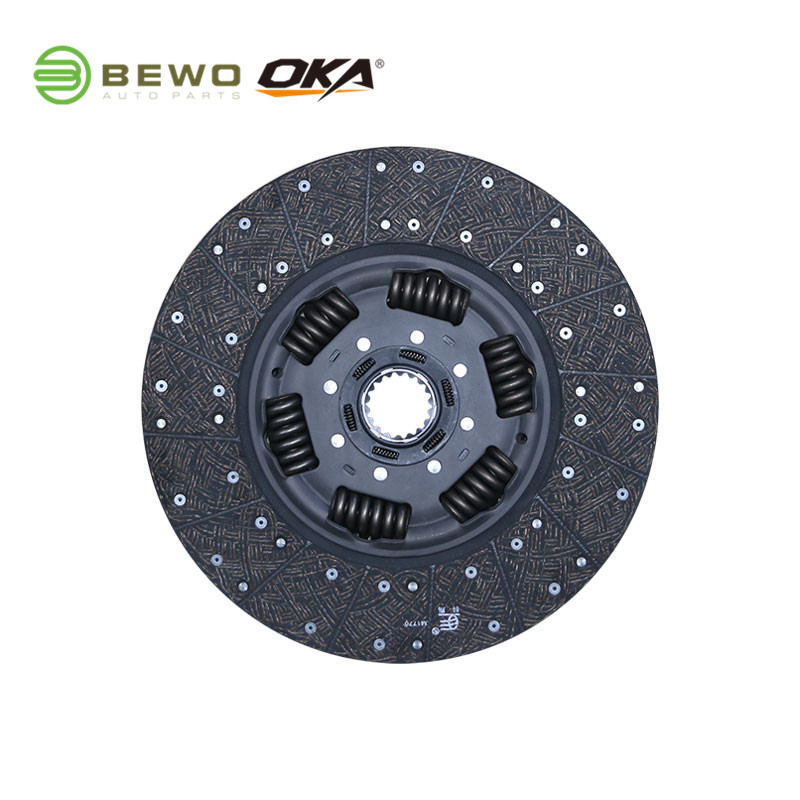
Professional repair shops provide itemized quotes. Wholesalers must supply comprehensive kits. Understanding the repair anatomy ensures a complete fix and prevents costly comebacks for commercial fleets.
The clutch plate (friction disc) transfers immense engine power directly to the drivetrain. Material thickness dictates the overall lifespan. Once it wears thin, a fully loaded rig will experience severe slippage on inclines.
In commercial applications, you must never replace the friction disc alone. The massive pressure plate clamps the disc against the engine. Constant heavy hauling warps the pressure plate over time, and its diaphragm springs lose tension. Installing a fresh disc under an old, fatigued pressure plate guarantees premature failure.
Furthermore, the release bearing is highly critical. Commercial release bearings handle thousands of pounds of actuation force. Because accessing them requires dropping a multi-ton transmission, fleets strictly replace them during every service to prevent future teardowns.
The flywheel presents a critical decision. For heavy trucks, you can sometimes resurface the existing solid flywheel. However, severe heat-checking from pulling heavy loads creates deep structural cracks that cannot be machined. Additionally, many modern European trucks utilize complex flywheel systems that must be entirely replaced to maintain drivetrain balance and dampening.
Fleet maintenance directors must review repair estimates carefully. Certain mandatory add-ons are crucial for commercial reliability.
Clutch Servos and Hydraulic Cylinders: Modern heavy trucks (like Volvo and Mercedes) use pneumatic/hydraulic clutch servos to assist pedal actuation. Replacing these alongside the clutch kit is highly recommended to ensure proper release geometry and prevent air/fluid leaks later.
Rear Main Seal: The engine rear main seal sits behind the flywheel. Frame this as a mandatory preventative replacement. Dropping a commercial transmission provides perfect access. Oil leaking onto a brand new truck clutch will instantly destroy the friction material.
Specialized Hardware: Heavy-duty setups often require specialized mounting hardware, pilot bearings, and alignment shims. Ensure wholesale orders and repair quotes include all necessary structural hardware.
For fleets, repair shops, and distributors, choosing where to source clutch components dictates overall profitability and maintenance budgets.
Commercial Parts Sourcing Matrix | |||
Sourcing Route | Primary Advantage | Primary Disadvantage | Cost Level |
|---|---|---|---|
OEM Dealerships | Factory-direct part numbers | Highest premium markups, inflexible supply | Highest ($$$) |
Premium Aftermarket (Wholesale) | Excellent cost-to-quality ratio, broader compatibility | Requires verifying manufacturer ISO certifications | Moderate/Competitive ($$) |
Direct Manufacturer Sourcing | Best margins for bulk/B2B buyers, customized solutions | Requires bulk purchasing commitments | Most Efficient ($) |
Dealerships provide the exact factory part in a branded box. However, fleet managers and repair shops pay an enormous premium for this privilege. Relying solely on dealerships drastically inflates the cost per mile of fleet maintenance.
For parts wholesalers, fleet maintenance hubs, and independent heavy-duty shops, partnering with a dedicated aftermarket manufacturer is the most strategic choice. High-quality aftermarket manufacturers produce kits specifically designed for Mercedes, Scania, MAN, and Shacman that meet or exceed OEM specifications. By prioritizing suppliers with ISO 9001 certifications, professional buyers secure factory-level quality while maximizing their margins and saving fleets money.
Replacing a clutch in a commercial heavy-duty truck is a major operation requiring premium components and professional expertise. Whether you are servicing a Scania line-haul truck or a Shacman construction vehicle, understanding the variables in friction materials, labor, and ancillary components is essential.
For repair shops and wholesalers, success lies in strategic sourcing. Partnering with a reliable, ISO-certified manufacturer guarantees that you can provide your fleet clients with durable, long-lasting repairs without the prohibitive costs of dealership monopolies.
A: Lifespan varies wildly based on application. A long-haul highway truck (like a Volvo or MAN) might see 300,000 to 500,000 miles on a single clutch. Conversely, a vocational Mack or Shacman working in stop-and-go mining or construction might require replacement every 100,000 miles. Gross Vehicle Weight (GVW) and driver habits are the largest determining factors.
A: We strongly advise grounding the vehicle immediately. A slipping commercial disc generates immense heat under a 40-ton load. This extreme friction permanently destroys the flywheel and can lead to complete drivetrain failure on the highway. Roadside recovery for a loaded Class 8 rig is incredibly expensive. Proactive replacement is always cheaper.
A: Yes, if the fleet operates in severe-duty environments. If trucks are consistently pulling maximum payloads in mountainous terrain or working in construction, upgrading from organic to ceramic or Kevlar friction materials prevents premature wear. Wholesalers should always stock these heavy-duty options for vocational clients.


