

Views: 0 Author: Site Editor Publish Time: 2026-10-14 Origin: Site


Improper storage and handling of a truck clutch drives premature component failure. It leads directly to voided warranties and highly frustrated technicians. You also face thousands of dollars in unbillable labor. Fleet downtime skyrockets when a freshly installed component fails immediately. A successful installation begins long before you drop the heavy transmission. It actually starts the exact moment the component arrives at your loading dock. Mechanics often overlook this critical phase of the repair process. You must protect the integrity of highly sensitive friction materials from day one. Precision-machined surfaces demand equal care before the physical repair begins. We outline the standard operating procedures required for proper storage. You will learn how to transport heavy components safely across the shop. We also cover strict pre-installation inspections to ensure full warranty compliance. Follow these clear guidelines to safeguard your shop's profitability. You will protect your fleet's valuable road time.
Environmental contamination (moisture, grease, airborne solvents) is the leading cause of pre-installation friction material degradation.
Dropping or resting a heavy duty truck clutch disc on its edge can compromise the splines and induce invisible micro-fractures.
Pre-installation inspections must verify specific technical bulletins, torque specifications, and component matching before any tools are lifted.
Proper lifting protocols on the shop floor prevent pressure plate distortion and ensure warranty compliance.
Pulling a heavy-duty transmission twice destroys shop profitability. It completely ruins fleet dispatch schedules. Mechanics despise doing the same heavy job twice. The labor impact compounds quickly when a compromised component goes into a commercial vehicle. You lose bay space for other profitable jobs. You also waste expensive technician hours troubleshooting a brand-new part.
Manufacturers rigorously assess returned warranty components. They look closely for specific signs of negligence. Evidence of rust immediately voids the manufacturer guarantee. Grease soaking on the pads yields the same denial. Impact damage from poor storage practices leaves unmistakable marks. Warranty inspectors easily spot bent hubs or warped covers. They will deny your claim without hesitation.
Modern friction materials remain highly susceptible to microscopic damage. Precision-machined mating surfaces require extreme care during transit. You won't easily see this micro-damage on the bench. It typically manifests only when the vehicle operates under heavy loads. A compromised heavy duty truck clutch disc creates massive liabilities for your business. Always handle these units like delicate precision instruments.
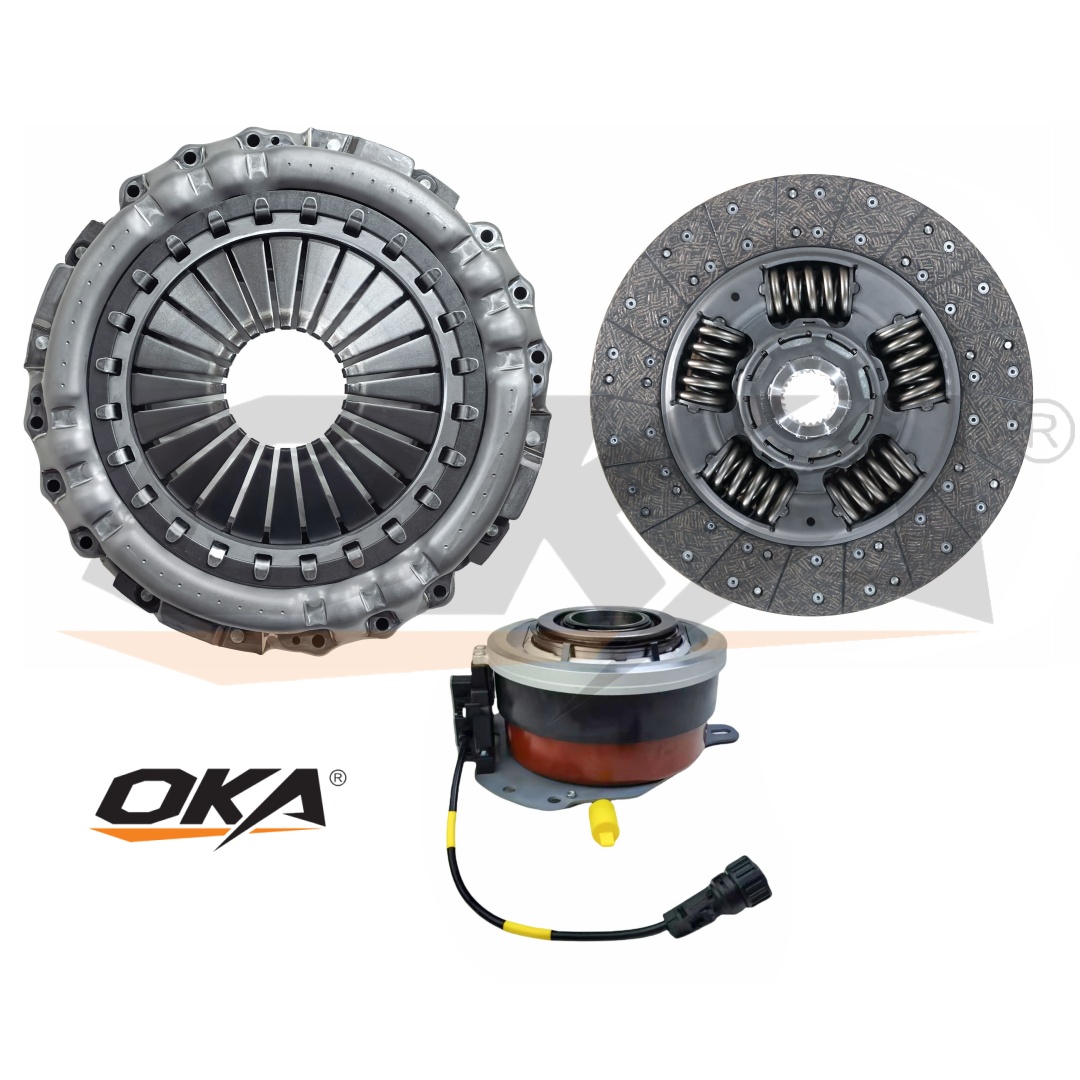
Climate control serves as your first defense against component degradation. Maintain consistently low humidity in your parts room. This prevents aggressive flash rust on the pressure plate. It also protects delicate flywheel mating surfaces from oxidation. Keep your storage temperatures highly stable day and night. Temperature fluctuations cause condensation to form inside the original packaging. Moisture ruins bare metal surfaces quickly.
Chemical isolation proves equally crucial for long-term storage. Store these components far away from aerosolized lubricants. Keep them isolated from open parts washers. Airborne petroleum products cause severe, irreversible damage. Friction material acts exactly like a dry sponge. Oil absorption cannot be cleaned out or burned off. It necessitates immediate part replacement before installation.
Physical shelving rules matter greatly for heavy components. Store every new clutch kit entirely flat. Keep it securely in its original supportive packaging. The factory box prevents accidental warping over time. Never stack other heavy parts on top of these boxes. Never lean a disc against a wall on its bare edge. This common mistake risks bending the central hub. It can also permanently damage the internal dampener springs.
Environmental Factor | Ideal Condition | Common Mistake to Avoid |
|---|---|---|
Humidity Level | Below 50% relative humidity | Storing near open bay doors in damp weather |
Temperature | Stable 65°F to 75°F (18°C to 24°C) | Placing boxes next to shop heating vents |
Air Quality | Free of airborne solvents and oils | Shelving next to the primary parts washer station |
Orientation | Laid completely flat | Stacking vertically or leaning against walls |
A thorough pre-installation inspection prevents catastrophic assembly mistakes. Start by verifying all specifications on the workbench. Cross-reference the part numbers against the specific fleet VIN. Check the exact engine specifications thoroughly. Look for any updated manufacturer technical bulletins. These bulletins might mandate strict pedal stop adjustments. They often dictate highly specific torque sequences for the cover bolts.
Next, conduct a rigorous visual defect audit. You must identify any transit damage early in the process.
Check for bent splines in the central hub.
Inspect the friction pucks for chips, cracks, or loose rivets.
Examine the pressure plate for factory-defect scoring or uneven machining.
Look closely for any signs of transit oxidation on bare metal.
Finally, establish a strict clean hands policy in your bays. Technicians must wear fresh, oil-free nitrile gloves. They must do this specifically when handling the bare disc. This prevents transferring acidic skin oils onto the friction surface. Shop grease ruins a new truck clutch instantly. Treat the unboxing process as a perfectly sterile operation.
Moving heavy drivetrain parts safely requires strict protocols. These specific components regularly exceed 100 pounds. Mandate the daily use of hydraulic transmission jacks. You should also utilize designated lifting tools. Do not rely on manual brute force to muscle parts into place. Mechanical aids prevent severe worker injury. They also stop catastrophic component dropping on hard concrete floors.
Proper lifting points prevent invisible internal damage. Mechanics often grab the most convenient edge. This habit destroys new parts.
Never lift a pressure plate assembly by the release bearing.
Do not pull or pry on the delicate diaphragm spring fingers.
Always support the heavy assembly by the robust cast-iron outer cover.
Staging the component requires thoughtful care. Transport it to the repair bay safely. Stage it on a clean, thoroughly dry cart. Cover this cart with an uncontaminated rubber mat. Never place new parts directly on a potentially oily shop floor. Floor debris easily contaminates the sensitive friction material. Stray metal shavings on the floor embed themselves into the pads.
Preparation directly dictates long-term performance. Surface cleaning acts as your first major priority. Use the manufacturer-approved wiping method. Spray non-chlorinated brake cleaner onto a clean, lint-free cloth. Wipe down the pressure plate and flywheel surfaces firmly. This effectively removes thick factory anti-rust coatings. Never spray aggressive cleaner directly onto the friction material itself.
Check your splined alignment tool readiness next. Ensure the specific shaft is properly prepped. Check it for tiny burrs or sharp metal edges. Do this carefully before inserting it into the disc hub. A heavily burred tool easily scratches the inner splines. Scratched splines cause binding during operation. Binding leads directly to harsh engagement and shifting complaints.
Finally, validate all ancillary systems on the vehicle. Confirm the pilot bearing condition closely. Inspect the throw-out bearing and release fork thoroughly. Ensure proper flywheel resurfacing is complete and within tolerance limits. These surrounding components must match the pristine condition of your new parts. Failing to address a worn pilot bearing destroys the new input shaft.
Strict storage protocols remain entirely non-negotiable for professional shops. Sterile handling procedures serve as your ultimate insurance policy. They guarantee the maximum operational lifespan of your critical components. We encourage shop managers to take decisive action today. Audit your parts room immediately for environmental hazards. Implement these handling standard operating procedures across your entire team. Browse our extensive catalog of verified, warranty-backed parts. Contact our technical sales team for application-specific compatibility checks.
A: Store them in a strictly climate-controlled environment. They can easily last several years. However, high humidity accelerates metal degradation. Always check for surface rust before use. Rotate your shop inventory regularly to maintain freshness.
A: Replace it immediately. Friction material acts like a highly absorbent sponge. You absolutely cannot clean oil out of it. Solvents only push the grease deeper into the pads. Installing an oiled disc guarantees severe slipping.
A: No. You should only use non-chlorinated brake cleaner. Apply it directly to a clean, lint-free cloth first. Standard parts cleaners often leave behind a greasy, petroleum-based residue. This leftover residue causes severe glazing and slipping.
A: Resting it on its edge concentrates massive weight on a very small area. This bends the central hub easily. It can also damage the internal dampener springs. Always store the assembly flat in its original packaging.
A: Perform a visual audit immediately upon arrival. Look for visibly crushed packaging. Inspect the disc for bent splines. Check the friction pads for chips or cracks. Examine the pressure plate for unusual metal scoring.


