

Views: 0 Author: Site Editor Publish Time: 2026-03-19 Origin: Site


The transmission system acts as the critical gatekeeper between engine power and the drivetrain. Every time you shift gears, immense friction transfers massive torque loads. This action keeps heavy machinery moving forward.
Yet, the stakes surrounding a proper clutch plate replacement remain incredibly high for fleet managers and owner-operators. Improper alignment or incorrect torque application directly leads to premature wear. It skyrockets your Total Cost of Ownership (TCO) and forces unexpected vehicle downtime.
You simply cannot afford avoidable days in the repair shop. This guide provides a comprehensive technical roadmap for successful transmission repairs on commercial and consumer vehicles. Read on to master exactly how to replace a clutch in a truck while minimizing costly mechanical failures.
Precision is Non-Negotiable: Why torque specs and alignment tools are the difference between 200,000 miles and 2,000 miles of service life.
Systemic Approach: Successful installation requires inspecting the flywheel, pilot bearing, and release fork—not just the clutch plate.
Break-in Matters: The critical nature of the first 500 miles post-installation.
Safety First: Managing the physical risks of transmission removal and heavy-duty component handling.
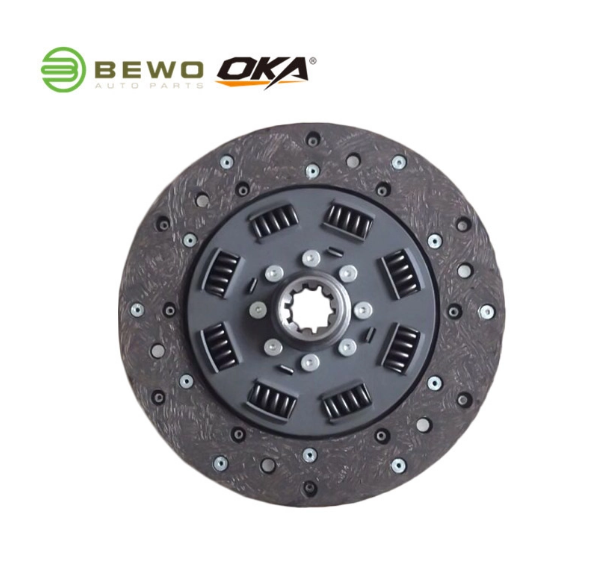
You must confirm your mechanical diagnosis before purchasing new components. Mechanics often misdiagnose linkage binding or hydraulic master cylinder leaks as friction surface failure. Inspect the pedal travel distance first. Verify fluid levels in the hydraulic reservoir. Ensure no air bubbles exist in the hydraulic lines. A comprehensive diagnostic check saves you from tearing down a perfectly functional transmission system.
Selecting the correct friction material dictates long-term vehicle performance. Load requirements and heat dissipation needs should guide your choice. Daily driving applications pair best alongside organic materials. Heavy towing operations require ceramic pucks for aggressive engagement. Off-road or high-performance builds often utilize Kevlar for superior thermal resistance.
| Friction Material | Best Application | Heat Dissipation | Engagement Feel |
|---|---|---|---|
| Organic | Light duty, daily commuter routes | Moderate | Very smooth, progressive |
| Ceramic | Heavy fleet towing, commercial hauling | Excellent | Aggressive, abrupt |
| Kevlar | Off-road, severe high-heat environments | High | Smooth but requires precise break-in |
Never fall victim to the false economy of installing partial repair kits. You might feel tempted to replace only the worn friction disc to save upfront money. Professional installers strongly advise against this practice. Always replace the pressure plate, throw-out bearing, and pilot bearing simultaneously. Reusing an old pressure plate guarantees weak clamping force. This oversight rapidly destroys your brand-new friction material and ruins your overall ROI.
Verify exact dimensions before unbolting any hardware. Count the input shaft splines manually. Measure the input shaft diameter using digital calipers. Compare your engine's maximum torque output against the OEM clutch ratings. Installing an undersized truck clutch plate leads to immediate slippage under heavy loads.
Successful repairs demand specific, high-quality equipment. Do not attempt this job using basic hand tools alone. Gather your professional-grade toolkit before raising the vehicle off the ground.
Calibrated torque wrenches (both 3/8-inch and 1/2-inch drive).
Vehicle-specific alignment tools for precise centering.
A heavy-duty transmission jack featuring secure safety chains.
Slide hammers and specialized pilot bearing pullers.
Long pry bars for safely separating the bellhousing.
Safety remains paramount when handling heavy-duty driveline components. Support the vehicle chassis using certified, heavy-duty jack stands. Never rely on hydraulic floor jacks alone to hold thousands of pounds. Manage hazardous fluid spills immediately. Use absorbent clay granules over any leaked gear oil. Truck transmissions weigh several hundred pounds. Use lifting chains and communicate clearly if working alongside a partner to prevent severe crushing injuries.
Cleanliness directly impacts your final service life. Grease and oil act as destructive contaminants on new friction surfaces. Even minor fingerprint oil creates permanent hot spots on the metal. These hot spots cause uneven wear and violent pedal judder. Use aerosol brake cleaner generously across all bare metal mating surfaces. Wipe everything down using lint-free microfiber towels before final assembly.
Begin by safely disconnecting the driveshaft at the U-joints. Mark the driveshaft orientation to maintain factory balancing. Disconnect all shifter linkage cables and electronic speed sensors. Unbolt the bellhousing bolts systematically. Pull the transmission backward smoothly. Ensure the heavy input shaft does not hang unsupported on the old internal components.
You must address the flywheel surface before installing new parts. Industry standards dictate resurfacing or entirely replacing the flywheel during every service interval. A perfectly flat mating surface proves non-negotiable. Reusing a glazed or heat-checked surface guarantees "chatter." Chatter manifests as violent vehicle shaking during low-speed gear engagement.
Extract the old pilot bearing from the crankshaft center using a specialized puller tool. Tap the new bearing into place using a brass drift punch to avoid damaging the delicate rollers. Next, inspect the engine rear main seal closely. Look for weeping engine oil. Any rear main seal leak will rapidly soak and destroy a brand-new clutch plate. Replace a weeping seal immediately while you have open access.
Proper alignment prevents installation nightmares later. Insert your plastic or metal alignment tool through the center splines of the driven disc. Push the tool tip firmly into the pilot bearing. This action centers the disc perfectly against the flywheel. Hold it steady while placing the heavy pressure cover over the dowel pins.
Tighten the pressure plate bolts using a strict "star pattern" or crisscross sequence. Tighten each bolt a quarter-turn at a time. This methodical process draws the heavy cover down evenly. Rushing this step causes permanent housing distortion. A bent cover unevenly clamps the friction material, ensuring premature failure.
Precision measurements define a professional installation. Adhere rigidly to manufacturer-specific foot-pound requirements. Double-check your service manual for both flywheel and pressure plate torque specifications. Use a recently calibrated torque wrench. Guessing bolt tightness leads to stripped threads or catastrophic high-speed disassemblies.
Best Practice: Apply medium-strength thread-locking compound to flywheel bolts to prevent loosening from engine harmonic vibrations.
Mechanics frequently make fatal errors during the lubrication phase. You must lubricate the transmission input shaft splines to allow smooth disc movement. However, applying too much grease ruins the job. Apply high-temperature spline grease incredibly sparingly. Centrifugal force spins the shaft at thousands of revolutions per minute. Excess grease slings outward directly onto the friction material. This instantly glazes the surface and causes irreversible slipping.
Heavy-duty commercial transmissions require specific additional adjustments. Mechanics must properly set the clutch brake air gap. Non-synchronized commercial transmissions rely on this brake to stop the input shaft during gear selection. Establish correct pedal free-play according to exact fleet specifications. Insufficient free-play keeps the throw-out bearing in constant contact. This constant friction burns out the bearing rapidly.
Perform a static test before putting the vehicle on public roads. Start the engine while keeping the gearbox in neutral. Depress the pedal fully. Check for a clean, complete release. Shift through the gears while stationary. Ensure smooth engagement across the entire shift pattern. Listen closely beneath the floorboards. Any abnormal vibrations, metallic scraping, or whining noises indicate an immediate problem.
You must enforce a strict 500-mile break-in protocol for organic and Kevlar materials. The rough friction material needs gradual thermal cycling to "bed" properly against the newly machined metal surfaces. Avoid hauling heavy trailers during this critical window. Limit aggressive slipping and high-heat scenarios. Stop-and-go city traffic provides better bedding conditions than long, uninterrupted highway miles.
Recognize warning signs early to prevent catastrophic secondary failures. A strong burning smell after normal driving indicates a misaligned disc or fluid contamination. A severely shuddering pedal usually points toward a warped flywheel or improper torque sequencing. Address these symptoms immediately. Ignoring them guarantees you will drop the transmission a second time.
Establish proactive habits to protect your new investment. Schedule regular linkage adjustments every 10,000 miles. Perform hydraulic fluid flushes bi-annually to prevent internal cylinder corrosion. Preventative maintenance stretches component lifespans dramatically, keeping trucks on the road longer.
Navigating component selection requires balancing upfront costs against expected longevity. Evaluate brand reputation carefully. Industry leaders like Eaton, LUK, and Sachs offer proven, heavy-duty reliability. Fleet managers often prefer these OEM-tier options. High-quality parts justify higher upfront costs through significantly extended service intervals. Compare these standards against budget aftermarket alternatives. Cheaper kits often use inferior spring dampeners, leading to rougher shifts over time.
Consider your warranty protections before attempting a major teardown. Professional installation documentation often protects your financial investment. Component manufacturers frequently void warranties if they detect improper DIY methods. Keep all flywheel resurfacing receipts. Log your exact torque wrench measurements. This paper trail proves you followed industry-standard procedures if a part fails prematurely.
Establish a clear decision framework for your fleet or personal garage. Decide realistically when to attempt repairs internally. You can likely handle a light-duty pickup truck repair over a weekend. However, outsource complex jobs to a heavy-duty transmission specialist if you lack proper transmission jacks, specialized alignment shafts, or adequate ceiling clearance.
The overall installation process remains just as critical as the physical component quality itself. Precision measurement and pristine cleanliness determine your ultimate mechanical longevity. By adopting a "measure twice, bolt once" philosophy, you protect your vehicle from completely avoidable breakdowns.
Always inspect and service surrounding systems, including flywheels and pilot bearings.
Maintain absolute cleanliness to prevent friction material contamination.
Strictly adhere to manufacturer torque specs and sequence patterns.
Respect the mandatory 500-mile break-in period for optimal bedding.
Take your time, use the right alignment tools, and prioritize safety at every step. Doing the job correctly the first time ensures maximum vehicle uptime and a stronger bottom line.
A: A standard replacement on a light-duty pickup takes 4 to 6 hours for an experienced mechanic. Heavy-duty commercial trucks often require 8 to 12 hours due to complex linkage systems, massive component weight, and additional required adjustments.
A: Yes. Skipping this step is a severe error. A used flywheel develops microscopic heat checks, grooves, and hard spots. Resurfacing guarantees a perfectly flat, clean mating surface. This prevents violent vibrations and ensures the new disc beds correctly.
A: A mild scent is normal during the first 50 miles as the friction material cures. However, a strong, persistent burning smell indicates installation errors. This usually results from an improperly adjusted linkage causing constant slipping, or grease contamination on the friction surface.
A: We strongly advise against it. Transmissions weigh hundreds of pounds. Balancing them on standard floor jacks creates extreme crushing hazards. It also makes perfectly aligning the heavy input shaft during reassembly nearly impossible, risking severe damage to the new disc.
A: Inspect the splines closely after wiping off old grease. Look for sharp, jagged edges or deep grooves cut into the metal. The new disc should slide smoothly back and forth without excessive radial wobbling. Worn splines cause severe shifting issues and binding.


