

Views: 0 Author: Site Editor Publish Time: 2026-03-12 Origin: Site


Upgrading or fixing a manual transmission always leads to one major question. Should you replace just the worn friction disk, or must you overhaul the entire system? It is a common dilemma facing mechanics, fleet managers, and car owners alike. People often use the terms "clutch plate" and "clutch disc" interchangeably. However, these components serve highly specific roles within your vehicle's drivetrain. Misunderstanding the terminology can easily lead to poor procurement choices, wasted labor hours, and premature mechanical failure.
We will break down the technical and financial differences between individual parts and complete assemblies. You will discover exactly how labor costs heavily impact your total ownership expenses. Ultimately, this detailed guide will help you make a financially sound, technically accurate repair decision for any vehicle type.
Definition: A clutch plate (disc) is the individual friction element; a clutch kit is a pre-engineered bundle including the disc, pressure plate, and release bearing.
The "Vice" Analogy: Understanding the system as a clamp where the flywheel and pressure plate are the jaws, and the clutch plate is the gripped medium.
Labor vs. Parts: Labor costs for clutch replacement (4–11 hours) typically dwarf the price of the parts, making full kit replacement the standard for ROI.
Truck-Specific Needs: Heavy-duty applications require specific friction materials (Ceramic/Kevlar) and higher clamp loads not found in standard passenger kits.
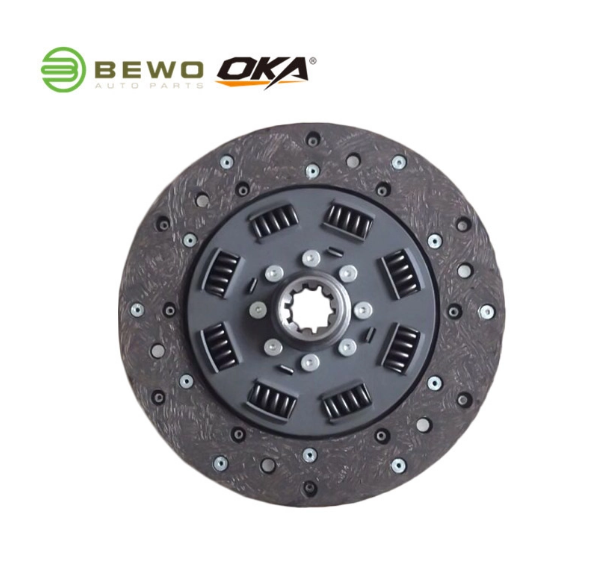
To make informed repair decisions, you must first separate the individual components from the packaged assemblies. The terminology often confuses even seasoned automotive enthusiasts. Let us define exactly what these terms mean inside the transmission bell housing.
The clutch plate, frequently called the friction disc, is the primary wear item in your transmission. It sits directly between the engine's flywheel and the transmission's pressure plate. Its main job is to grab the spinning flywheel and transfer rotational energy to the transmission input shaft.
This active component relies on several intricate features:
Splined Hub: The center metal ring features teeth interlocking directly onto the transmission input shaft.
Friction Facings: Riveted or bonded materials covering the outer diameter provide the necessary grip.
Dampening Springs: Coil springs surround the center hub. They absorb the harsh shock of engine firing pulses, preventing drivetrain vibration.
A clutch kit represents a complete, pre-engineered ecosystem. Manufacturers design these bundles so every part works in harmony. A standard kit contains much more than just the friction disc.
Pressure Plate: This heavy metal component acts as the clamping force. You will typically find two designs. Diaphragm styles use a single large Belleville spring for efficient, light pedal feel. Borg & Beck designs use multiple coil springs and levers, often reserved for older or heavy-duty applications.
Release (Throw-out) Bearing: This bearing pushes against the pressure plate spring to disengage the drivetrain when you press the pedal.
Pilot Bearing or Bushing: Sitting inside the crankshaft, it supports the tip of the transmission input shaft.
Alignment Tool: A plastic splined shaft helps center the disc perfectly during installation.
You can visualize the entire system as a large bench vice. The flywheel and the pressure plate act as the two metal jaws. The friction disc is the wooden block clamped tightly between them. Synergy is critical here. The friction coefficient on the disc must perfectly match the clamp load of the pressure plate. If you pair a highly aggressive friction material against a weak pressure plate, the disc will slip, overheat, and glaze over.
Many vehicle owners attempt to save money by purchasing a single replacement part rather than a full assembly. This approach ignores the reality of automotive labor rates. Total Cost of Ownership (TCO) always favors doing the job correctly once.
Transmission removal is heavily labor-intensive. Mechanics must dismantle suspension components, exhaust pipes, and subframes just to reach the bell housing. Consider these standard industry labor times:
Front-Wheel Drive (FWD): 8 to 11 hours. Transverse engine layouts require mechanics to drop the entire front subframe and transaxle assembly.
Rear-Wheel Drive (RWD): 4 to 5 hours. Longitudinal layouts offer much easier access, simply requiring the driveshaft and gearbox removal.
We often call replacing just the worn disc the "Penny Wise, Dollar Foolish" scenario. Imagine paying a shop for 10 hours of labor to install a $50 part. You leave the old pressure plate in the vehicle. The old pressure plate springs have weakened over thousands of heat cycles. Five thousand miles later, the weak pressure plate fails to clamp the new disc tightly. The system slips. You now must pay for another 10 hours of labor to tear the vehicle down a second time. Replacing the full kit guarantees you only pay the massive labor bill once.
Component manufacturers understand system synergy. Most reputable brands strictly enforce their warranty policies. They will only honor a claim if you install a complete, matched assembly. Furthermore, they usually require documented proof showing a machine shop resurfaced or replaced the flywheel. Combining new parts alongside worn ones voids your protection.
Not all friction materials perform equally. Engineers design specific compounds to handle varying heat levels, torque loads, and engagement styles. Understanding material science helps you pick the perfect solution.
| Material Type | Friction Coefficient | Max Temp Tolerance | Ideal Application |
|---|---|---|---|
| Organic (Woven) | 0.25 - 0.30 | ~600°F | Daily driving, high-RPM burst strength (10,000+ RPM) |
| Organic (Molded) | 0.25 - 0.30 | ~500°F | Economy replacement, standard commuting |
| Ceramic & Metallic | 0.40 - 0.60 | ~1000°F | Track racing, heavy towing, aggressive engagement |
| Kevlar & Feramic | 0.35 - 0.45 | ~800°F | High longevity, commercial fleets (requires strict break-in) |
Organic materials provide the smoothest pedal engagement. They are best for daily drivability. Woven organic material features fiberglass or brass wire interlaced into the compound. It offers incredible burst strength, surviving rotational speeds exceeding 10,000 RPM. Molded organic is cheaper but lacks the high-RPM durability of its woven counterpart.
Ceramic compounds withstand extreme heat, making them practically immune to fading. They can easily survive temperatures up to 1000°F. However, they lack smooth drivability. Ceramic acts like an on-off switch. It engages aggressively, often causing a juddering feeling in stop-and-go traffic. Mechanics reserve ceramic for dedicated track cars or extreme heavy-duty commercial use.
Kevlar offers extreme longevity, routinely lasting two to three times longer than standard organic compounds. However, Kevlar demands an incredibly strict break-in period. You must drive gently for 500 to 1,000 miles. If you apply full power too early, the Kevlar surface will glaze permanently. Feramic blends iron and ceramic, offering immense torque holding capacity while remaining slightly smoother than pure ceramic.
Towing heavy loads creates massive thermal stress. A truck clutch plate must dissipate heat rapidly while managing immense torque. Manufacturers achieve this by increasing the total surface area of the friction pucks. Many modern heavy-duty applications also utilize "ER2 groove" technology. Engineers machine specific channels into the friction surface and pressure plate. These grooves expel trapped heat and friction dust out of the assembly, drastically improving cooling under heavy loads.
Knowing when to schedule downtime prevents catastrophic on-road failures. Learn to identify the subtle warning signs before you lose drive power completely.
Slipping Under Load: You press the accelerator in a high gear. The engine RPMs spike rapidly, but the vehicle speed does not increase. This indicates the friction material has worn too thin to hold the torque.
The "Burning Bread" Smell: Overheating friction material produces an acrid, sharp odor. If you smell this while driving normally or backing up a slight incline, the system is slipping and burning.
Pedal Pulsations or a "Spongy" Feel: You feel a rhythmic vibration through your foot. This usually points to warped diaphragm springs or a failing release bearing.
High Bite Point: You must release the pedal almost entirely before the vehicle starts moving. A high engagement point means the friction material thickness is nearly gone.
Whenever you replace a transmission assembly, you must address the flywheel. It acts as the opposing clamping surface.
Resurfacing the flywheel is cost-effective. A machine shop grinds it completely flat. However, this process removes metal. It changes the stack height geometry, which can reduce total clamp load. Furthermore, waiting for a machine shop often adds around 4.5 hours of bay downtime.
Replacing the flywheel carries a higher upfront parts cost. Yet, it guarantees perfect geometry, restores optimal "clamp-up" force, and eliminates waiting on third-party machinists. For dual-mass flywheels, replacement is almost always mandatory, as their internal dampening springs wear out.
Stick with OEM-spec kits for standard commuting vehicles. If you recently increased your engine horsepower or plan to tow heavier trailers, step up to a Stage 1 or "Heavy Duty" upgrade. These upgraded bundles feature reinforced pressure plates and higher-friction compounds specifically matched to handle increased loads safely.
Even the most expensive performance parts will fail if installed improperly. Transmission work demands clinical cleanliness and strict procedural adherence.
Friction materials act like rigid sponges. They absorb liquids instantly. A single drop of motor oil, grease, or brake fluid on the new friction surface can ruin the entire kit. Once contaminated, the material loses its engineered friction coefficient. The system will chatter violently or slip relentlessly. Mechanics must meticulously clean their hands, the flywheel surface, and all tools before touching the friction material.
Brand new parts are rarely perfectly flat. On a microscopic level, they have peaks and valleys. The break-in period gently wears these surfaces down until they mate perfectly. If you subject a new assembly to full-throttle loads immediately, the localized heat spikes drastically. The binding resins inside the friction material boil to the surface. They harden into a glass-like layer. We call this "glazing." Glazed material cannot grip, rendering the new installation useless.
Be wary of "painted" performance parts. Many low-quality aftermarket brands paint standard pressure plates bright red or yellow. They market them as high-performance upgrades. Paint does not increase clamp load. Always verify the actual friction material composition and request specific clamp load testing data before purchasing aesthetic branding.
Transmission removal creates a rare access window to other critical engine components. Always inspect the following:
Rear Main Seal: This engine seal sits directly behind the flywheel. If it leaks oil later, you must pay the 10-hour labor fee again just to replace a $20 rubber gasket. Replace it preemptively.
Input Shaft Seal: Check the transmission side for gear oil leaks.
Pilot Bearing: Always extract and replace this tiny bearing. A seized pilot bearing will damage the transmission input shaft permanently.
Understanding drivetrain components empowers you to make smarter repair investments. Adopting a "Kit-First" philosophy ensures long-term reliability and drastically reduces your total cost of ownership. The massive labor hours required for transmission access mean you should never gamble on replacing just a single worn disc while leaving fatigued pressure plates behind.
We recommend using individual friction discs exclusively for emergency trail repairs or highly specialized track setups. For all scheduled maintenance, standard repairs, and heavy-duty performance builds, investing in a complete, matched assembly is the only logical choice. Before finalizing your purchase, consult a VIN-specific parts catalog. This ensures perfect compatibility regarding spline counts, disc diameter, and flywheel geometry for your exact vehicle.
A: Yes, physically it will fit. However, doing so carries massive technical risks. Old pressure plates suffer from uneven surface wear and fatigued diaphragm springs. They produce a significantly reduced clamp load. This usually causes the new disc to slip, overheat, and fail prematurely.
A: A premium kit typically lasts between 50,000 and 100,000 miles. Longevity depends heavily on variables like driving style, vehicle load, and environment. Aggressive launching, frequent towing, or constant stop-and-go traffic will dramatically reduce this lifespan.
A: Chattering points to several common installation errors. You may have contaminated the friction surfaces with grease during installation. Alternatively, it could result from improper break-in procedures causing glazing, or failing to resurface the flywheel flatly, creating dangerous runout geometry.
A: Yes. Upgraded systems require higher clamp loads to prevent high-torque slipping. Manufacturers achieve this by installing stiffer springs inside the pressure plate. Consequently, you must apply greater physical leg effort to the pedal to disengage the drivetrain.


